Padel is easier to start than most racket sports, but a handful of rules catch every beginner out. None of them are complicated. They are just different enough from tennis that your instincts will be wrong for the first few sessions.
Here is everything you actually need before your first game.
The court
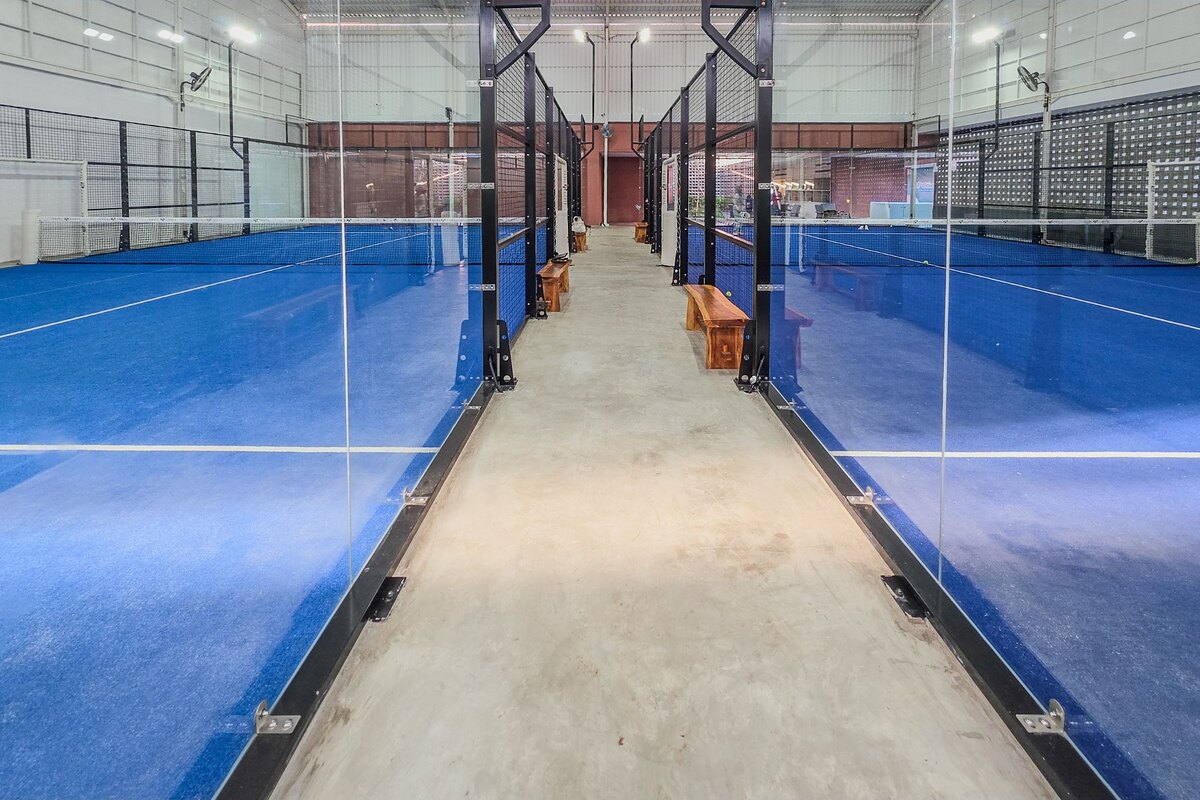
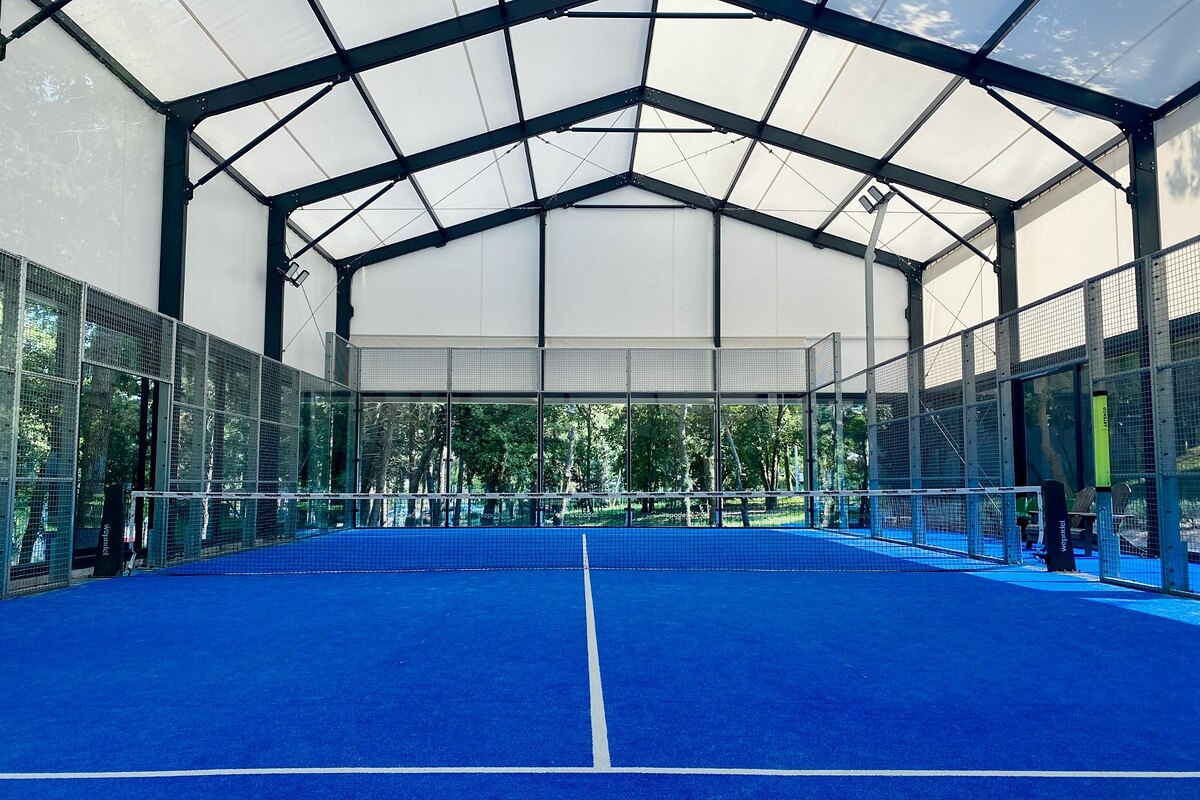
A padel court is 20 metres long and 10 metres wide, split by a net and enclosed on all sides. It is roughly a quarter the size of a tennis court.
The back walls are glass. The sides are part glass, part metal mesh. Both are in play — which is the single biggest difference from any other racket sport, and the subject of half this article.
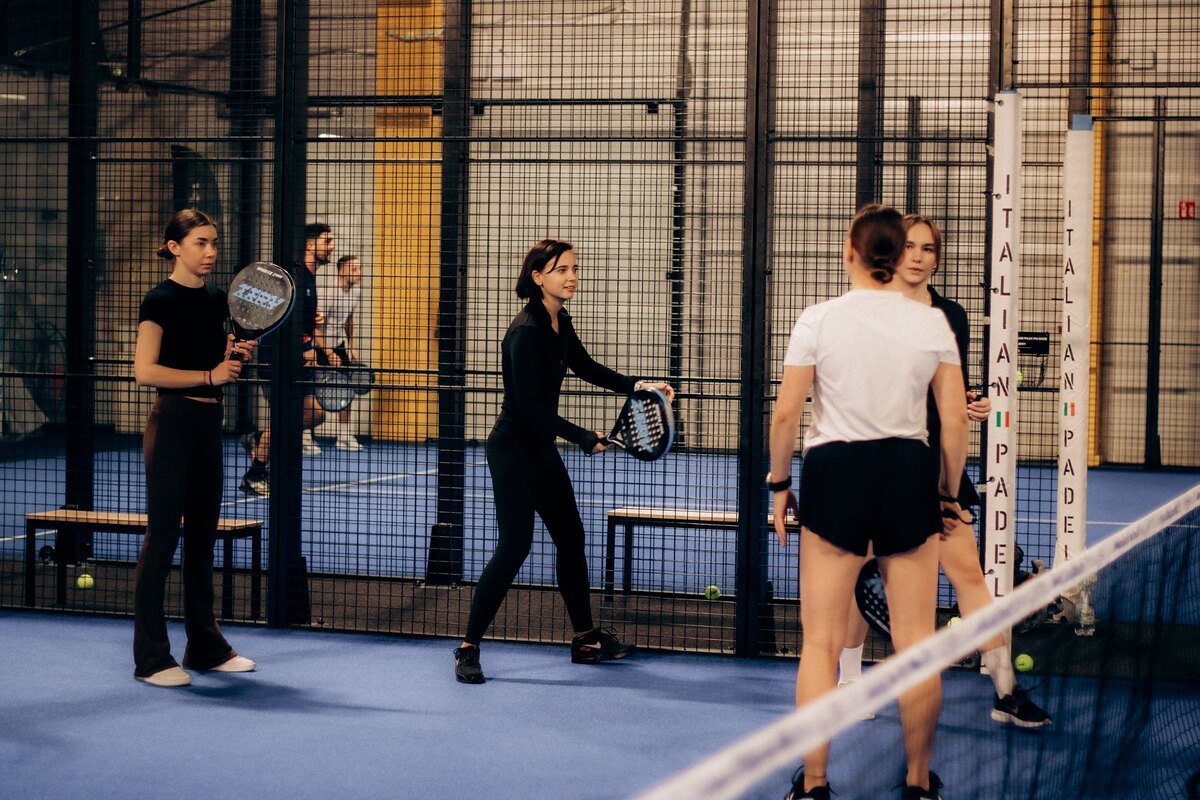
The game is almost always played as doubles. Singles padel exists, on a narrower court, but you will rarely encounter it.
The serve
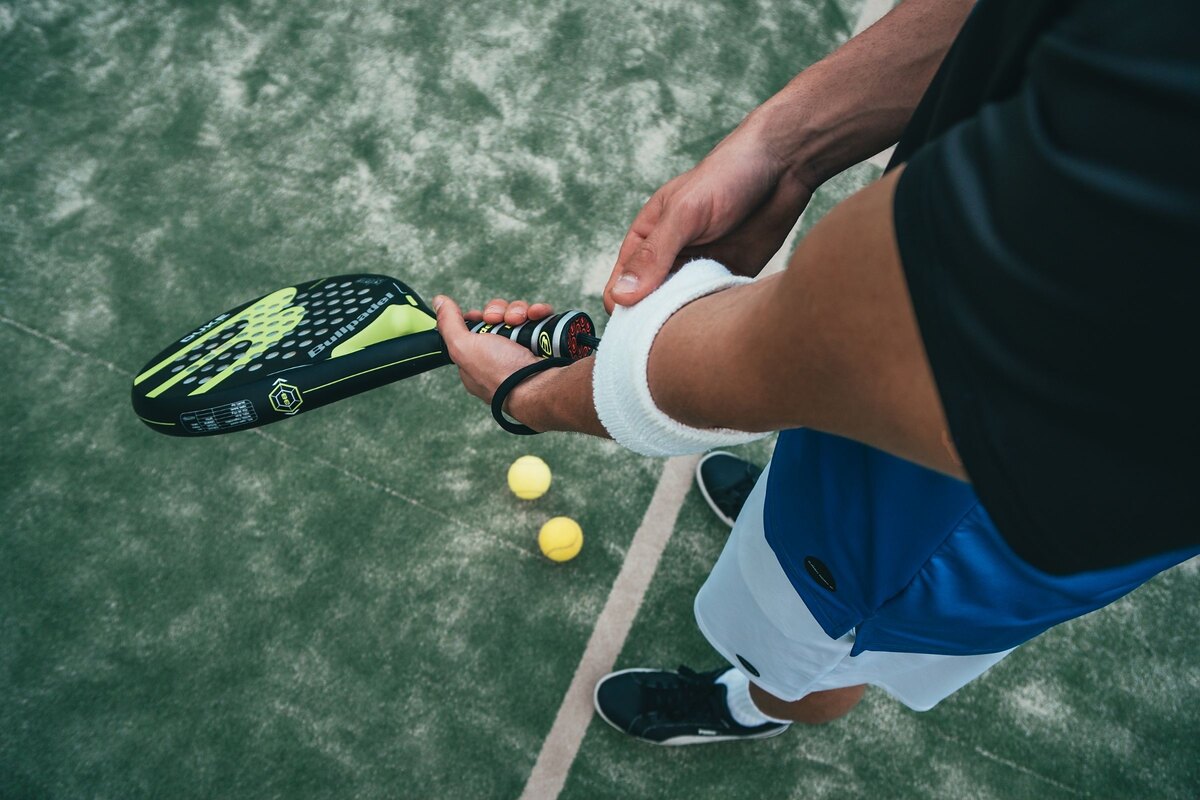
The serve is where padel is kindest to beginners, because it is underarm.
How to serve, step by step:
1. Stand behind the service line, between the centre line's imaginary extension and the side wall 2. Bounce the ball on the ground behind the service line 3. Strike it at or below waist height, after the bounce 4. The ball must land in the service box diagonally opposite
You get two attempts, exactly as in tennis. Two faults and the point goes to the receiving pair.
Where beginners go wrong on the serve:
- Contact above the waist. The commonest fault by a distance. If in doubt, hit it lower.
- Hitting the ball without bouncing it first. You must bounce it. A serve struck out of the hand is a fault.
- Standing on or over the service line. Your feet must stay behind it until contact.
What happens after the serve lands:
This is the part that surprises people. If the served ball bounces correctly in the box and then hits the glass wall, it is still in play — the receiver simply returns it off the glass. If it bounces in the box and then hits the metal mesh fence, it is a fault.
The receiver cannot volley the serve. The ball must bounce in the receiving box first. If it strikes the receiver or their racket before bouncing, the server wins the point.
Scoring
If you know tennis scoring, you know padel scoring. There is nothing new.
| Points in a game | 15, 30, 40, game |
|---|---|
| 40–40 | Deuce, then advantage |
| Games in a set | First to 6, by two clear games |
| 6–6 | Tiebreak |
| Match | Best of three sets |
Some social and club formats use a "golden point" at deuce — a single deciding point rather than playing advantage — to keep matches to time. Your coach or club will tell you if that applies.
The walls
The walls are what make padel padel, and they are where every beginner's instinct is wrong.
The core rule: the ball must bounce on the ground on your side of the net before it touches any of your walls. Once it has bounced, you can let it come off the glass and play it as it returns.
You can use your own walls to return. Hitting the ball into your own back glass so it loops over the net is legal and, once you are comfortable, genuinely useful.
You cannot reach the opponent's walls on the full. A shot that strikes their wall or fence before bouncing on their side of the court is out.
Two bounces loses the point, as in tennis. The wall does not give you an extra bounce — it gives you more time before the second one.
The three rules beginners break most often
Chasing the ball before it reaches the glass. Everyone does this. You see a ball heading for the back wall and you run at it, taking it early and cramped. The correct move is to move back with it, let it hit the glass, and play it as it comes off. It feels wrong for about three weeks and then it clicks. More time on court goes into this one habit than anything else.
Hitting too hard. Power is much less useful in padel than in tennis, because the walls recycle it straight back to your opponent. Control and placement win points; pace mostly returns them.
Volleying the return of serve. Tennis players do this instinctively. The serve must bounce first.
Quick reference: fault or not?
| Situation | Result |
|---|---|
| Serve struck above waist height | Fault |
| Serve bounces in box, then hits glass | In play |
| Serve bounces in box, then hits metal fence | Fault |
| Receiver volleys the serve | Point to server |
| Ball hits your wall before bouncing on the ground | Point to opponent |
| Ball bounces on your side, then you play it off your glass | Legal |
| Your shot hits their wall before bouncing on their side | Out |
| Ball bounces twice on your side | Point to opponent |
Do you need to memorise all this?
No. You will absorb most of it in your first two sessions, because the rules make sense once you have seen each situation happen once.
What is worth knowing beforehand is the serve, because it is the only rule you have to execute deliberately from the first point. Everything else you learn by playing.
If you want the sport compared to tennis side by side, we covered that in padel vs tennis: what is different. If you are trying to decide which to take up, padel or tennis: which should you learn first in the UAE? goes through it properly.
Learning them on court
Rules read on a page and rules under pressure in a rally are different things. Our beginner programme covers the serve, the scoring and wall play from the first session rather than leaving you to pick them up by being corrected mid-point by strangers.
Sessions run at our Dubai courts in Al Safa and in Abu Dhabi on Sa'adiyat Street, and every programme starts with a free 45-minute trial with rackets provided.
More common questions are answered on our padel FAQs page, or message us and we will answer directly.
About the author

We coach padel in Dubai and Abu Dhabi — three courts at Al Ittihad Private School in Al Safa, two at Muna British School on Sa’adiyat Street. Beginners, juniors and women-only groups.
More about us →