If you have decided to take up a racket sport in the UAE, you have probably narrowed it down to two. Tennis has been here for decades and has courts in every community. Padel has arrived fast — the International Padel Federation now counts more than 320 clubs and over 950 courts across the Emirates, roughly 30% of every padel court in Asia.
Both are good choices. But they ask very different things of a beginner, and one of them will almost certainly suit you better for the first year. Here is how to decide.
The short answer
If you have never played a racket sport, start with padel. If you played tennis as a teenager and want that feeling back, start with tennis.
That is the honest version. The rest of this explains why, and where the answer changes.
How long before you are actually playing
This is the difference that matters most, and it is bigger than people expect.
In tennis, the serve is the gatekeeper. An overhead serve is a complicated movement — toss, trophy position, racket drop, contact above your head on a moving ball. Most adults need several months of regular lessons before they can serve reliably enough to play a real point. Until then, a "game" is mostly picking balls up.
In padel the serve is underarm. You bounce the ball behind the line and hit it below waist height. Most people can do it in ten minutes. That single rule change means a padel beginner is playing actual points in their first session rather than their twentieth.
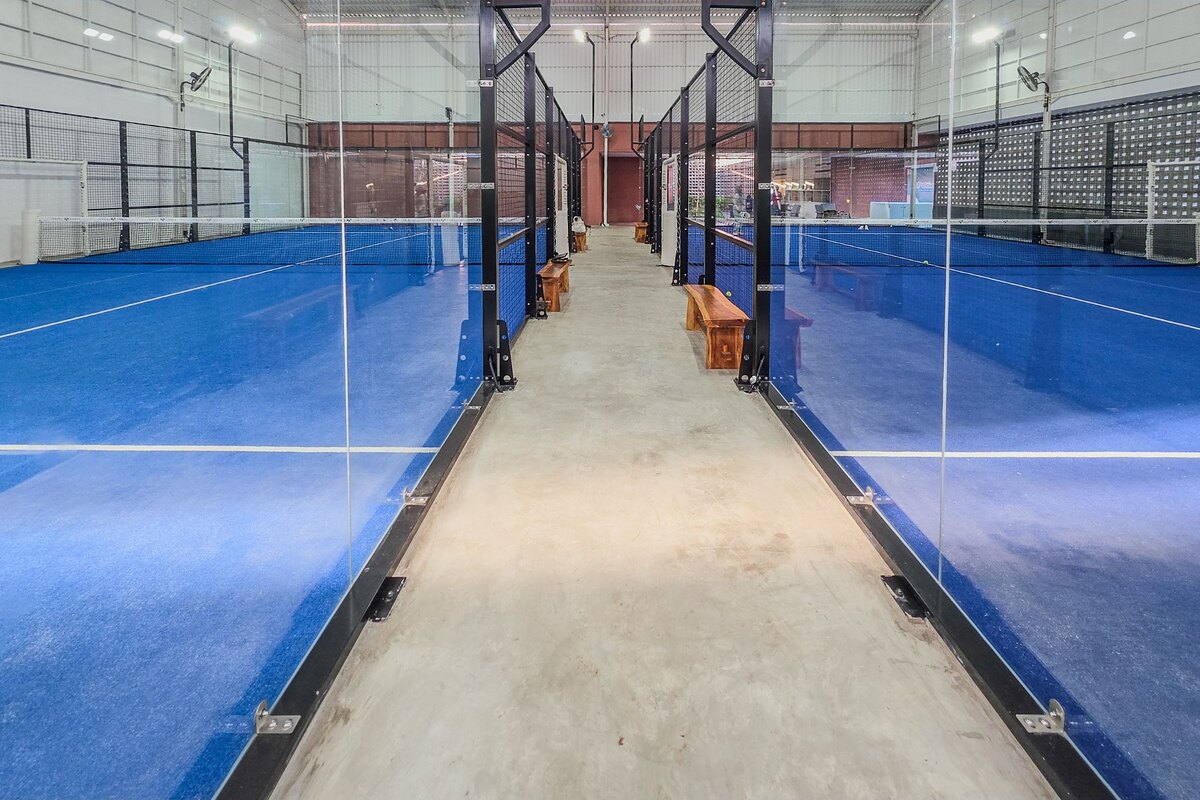
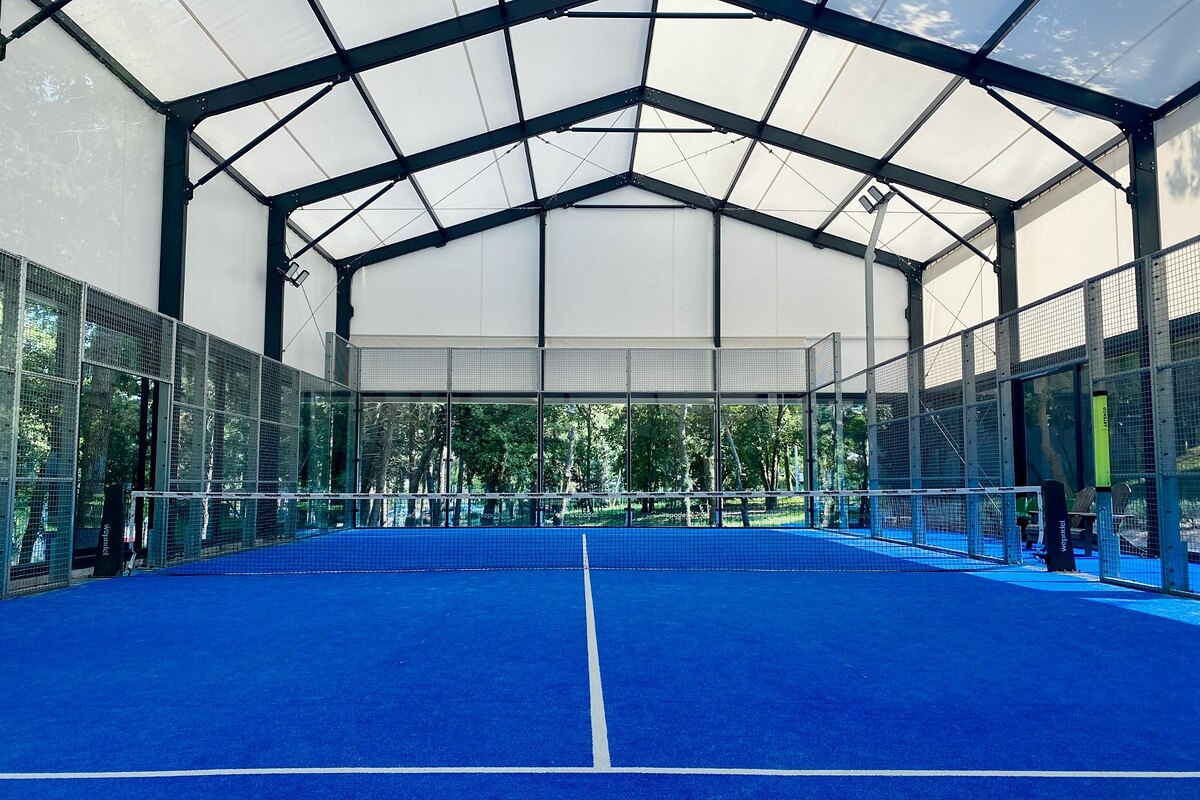
The court does the rest of the work. A padel court is 20 by 10 metres and enclosed by glass. A ball that would be a winner in tennis comes off the back wall in padel and stays in play. Rallies last longer, you hit more balls per hour, and the sport is more fun before you are any good at it.
If you want the mechanical detail — racket, scoring, wall rules — we covered it in padel vs tennis: what is different.
What the UAE climate does to your choice
Nobody mentions this and it decides more than it should.
Both sports move outdoors to evenings for much of the year. The practical difference is what happens to a session when the heat is still sitting at 38 degrees at 7pm.
A tennis court is large and you cover it alone or with one partner. A padel court is a quarter the size and always played as doubles, so you are covering a fraction of the ground with another person sharing it. An hour of padel in UAE evening heat is simply more manageable for most people than an hour of singles tennis.
It also explains the scheduling. Our Dubai courts at Al Ittihad Private School in Al Safa run from 4pm to midnight on weekdays, and from 6am at weekends. Abu Dhabi runs 4pm to 11pm on weekdays and from 7am at weekends. Those are the hours when playing outdoors here is pleasant, and padel fits into them comfortably.
Finding people to play with
Tennis singles needs one other person at roughly your standard. Tennis doubles needs three.
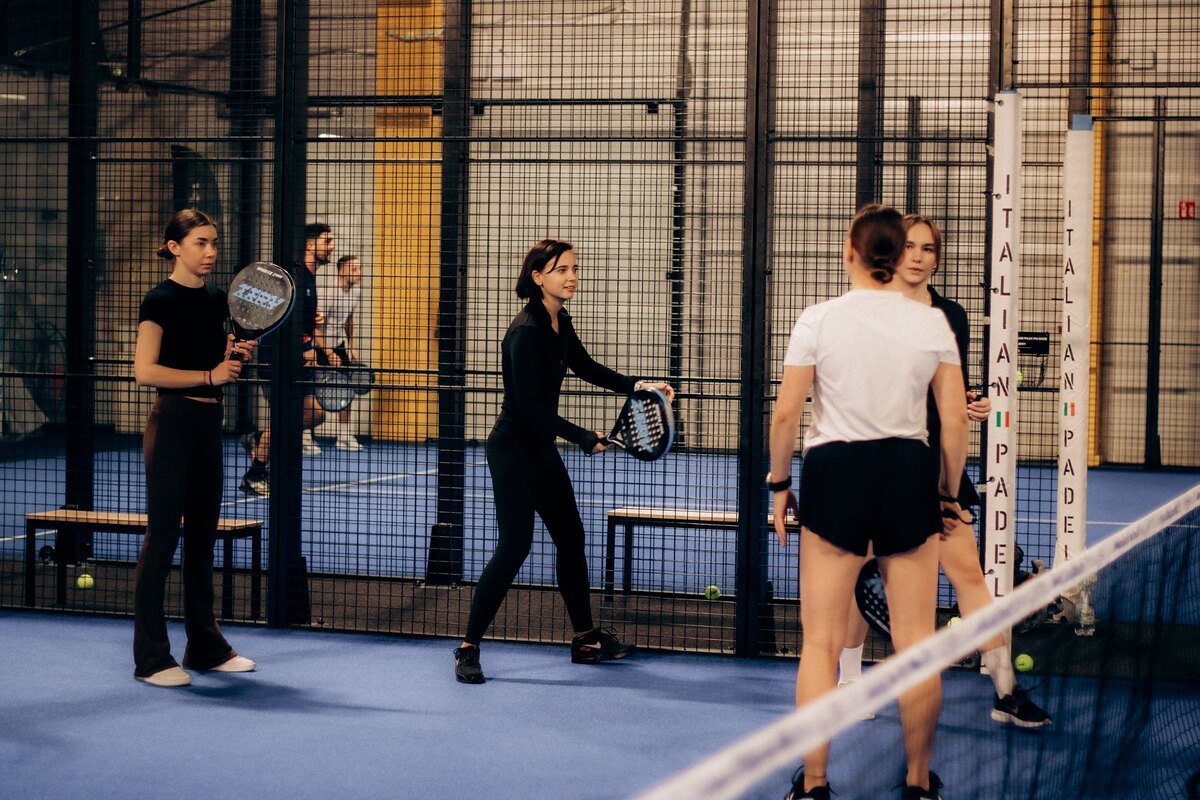
Padel is almost always doubles, and because the enclosed court keeps rallies alive, mixed-ability groups work far better than they do in tennis. A strong player and a beginner can have a genuine rally in padel. In tennis that same pairing is one person serving and the other apologising.
This matters more than it sounds. The commonest reason adults quit a new racket sport is not difficulty — it is not having anyone to play with. Padel's doubles format and its tolerance for mixed levels make that problem smaller.
If you have nobody to play with, say so when you book. Group classes exist for exactly this, and semi-private sessions will pair you with someone at your level.
What it costs to get going
We will not quote prices here because they vary by city and programme — message us and we will send current ones the same day. But the equipment economics are worth knowing.
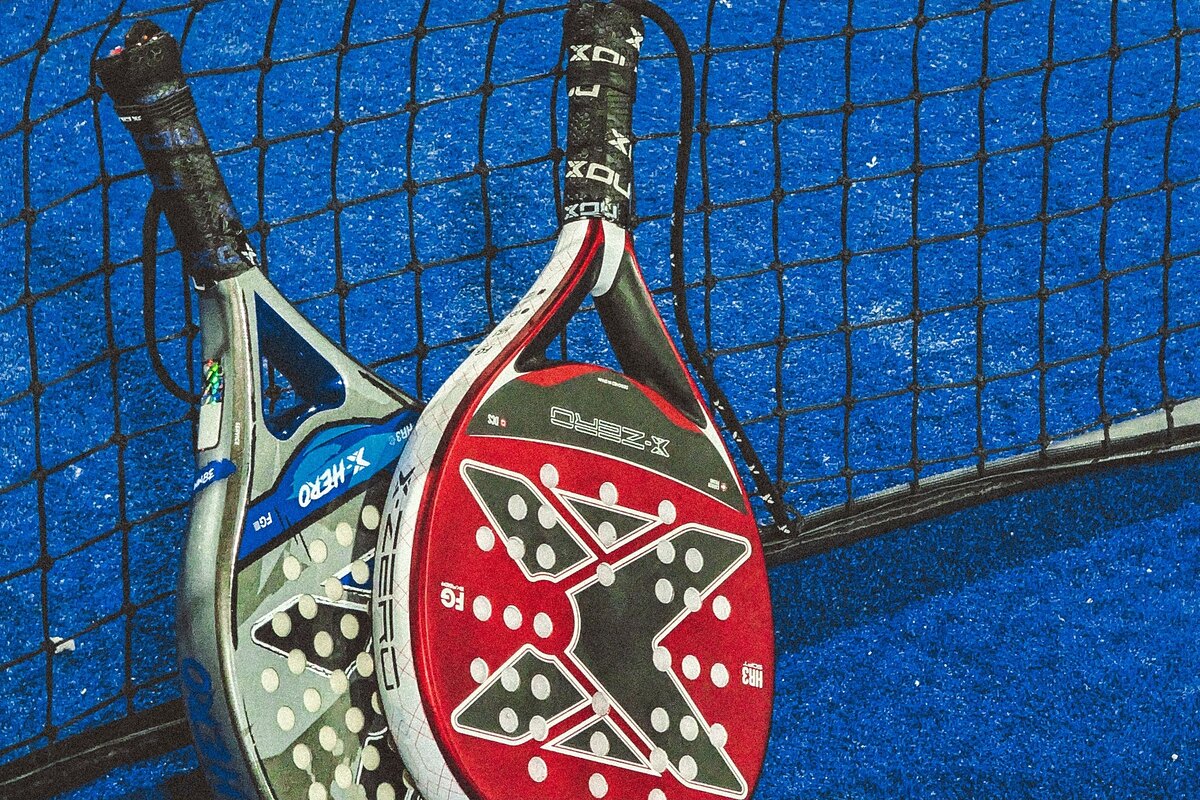
A padel racket is solid and perforated. No strings, so nothing to restring. A tennis racket needs restringing every few months if you play regularly, and that cost accumulates quietly over a year.
For your first sessions you need neither. We provide rackets and balls at both venues, so you can find out whether you like the sport before buying anything. Trainers with decent grip and a water bottle are genuinely all you need to turn up with.
If you already play tennis
Then much of the above does not apply to you, and you should know that the crossover runs mostly one way.
Tennis players pick up padel quickly. The hand-eye work transfers, the footwork is familiar, and scoring is identical — 15, 30, 40, game. What takes adjusting is the instinct to hit hard and the instinct to chase a ball that is about to come off the glass for you. Both are habits to unlearn rather than skills to build.
Padel players moving to tennis have a harder time, because the overhead serve and the bigger court are new ground.
So if you already play tennis and are curious about padel, the honest answer is that you are not starting over. You will be playing competitive points in your first session or two. Most of our Dubai tennis converts say the only thing that took real work was the bandeja.
If you are choosing for a child
Padel suits children better than tennis does, for the same reason it suits adult beginners: rallies last.
A seven-year-old learning tennis spends most of a lesson retrieving balls. On a padel court, with an underarm serve and walls that keep the ball in play, the same child is rallying. Children stay interested in sports where something is happening, and padel gives them more happening per hour.
Our kids academy in Dubai and Abu Dhabi groups children by age and level — 5 to 7, 8 to 11, and 12 to 16 — so beginners start with beginners rather than being thrown in with regular players.
So which one?
A rough guide:
- Never played a racket sport — padel. You will be playing properly within a session instead of a season.
- Played tennis before and miss it — tennis, and try padel as a second sport. The crossover is easy.
- Want to play with a partner of a different standard — padel, comfortably.
- Choosing for a child under 12 — padel, for the rallies.
- Want a solo-capable sport you can play one-on-one — tennis. Padel singles exists but is rare, and the courts are built for doubles.
There is no wrong answer here. But if the question is which one gets you playing a real game soonest, in this climate, with whoever happens to be free that evening — it is padel, and it is not especially close.
The quickest way to settle it is to try. Every programme at both our venues starts with a free 45-minute trial session, rackets included. Message us with your city and we will suggest a time.
About the author

We coach padel in Dubai and Abu Dhabi — three courts at Al Ittihad Private School in Al Safa, two at Muna British School on Sa’adiyat Street. Beginners, juniors and women-only groups.
More about us →